Oralcare.lk

Uncategorized

Uncategorized

Teeth whitening

What is teeth whitening?

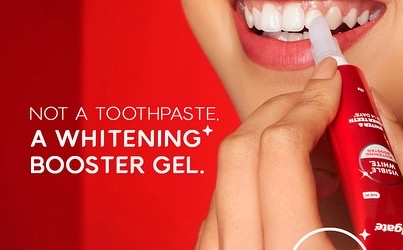
Teeth whitening involves bleaching your teeth to make them lighter. It can’t make your teeth brilliant white, but it can lighten the existing colour by several shades.

Who can do teeth whitening?

Teeth whitening is a form of dentistry and should only be carried out by a dentist or another regulated dental professional, such as a dental hygienist or dental therapist, on the prescription of a dentist.

Some beauty salons offer teeth whitening, but this is illegal if there’s no dental professional present, and it may put your oral health at risk.

You can also buy DIY home teeth whitening kits but these may also carry risks.

What happens during teeth whitening?

If you have your teeth whitened you’ll first need to make 2 to 3 visits to the dental surgery.

The dentist will take an impression of your teeth to make a mouthguard and tell you how to use it with a bleaching gel. Then, using your mouthguard at home, you regularly apply the gel for a specified period of time over a few weeks. Some whitening gels can be left on for up to 8 hours at a time, which can shorten the treatment period.

Laser whitening, also known as power whitening, is another type of teeth whitening system that a dentist can provide. A bleaching product is painted onto your teeth and then a light or laser is shone on them to activate the whitening. Laser whitening takes about an hour.
Uncategorized

Oral health

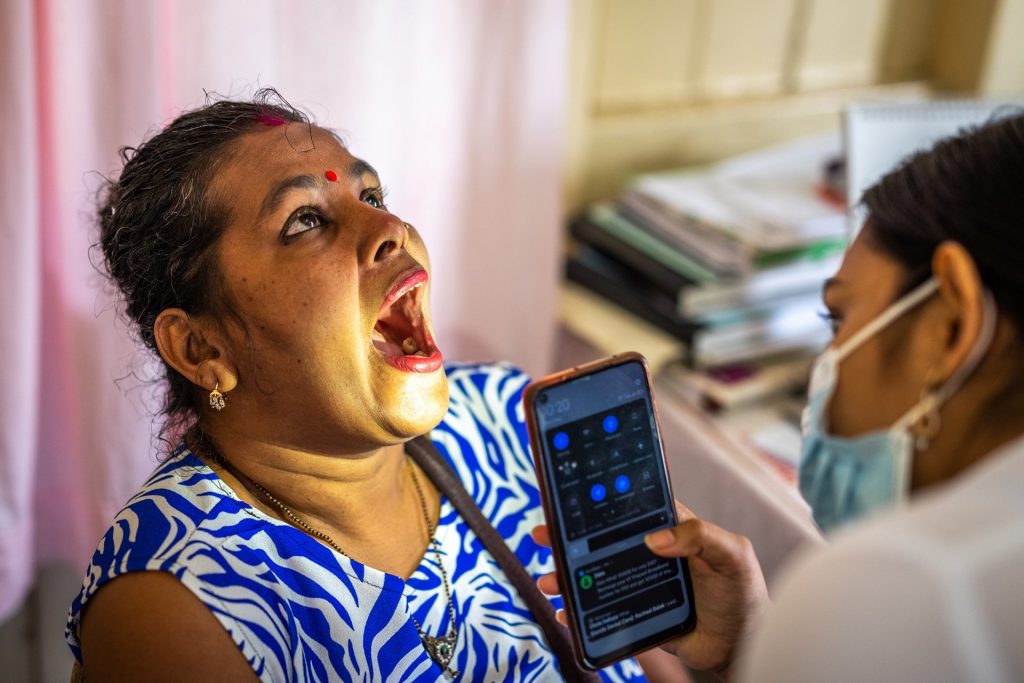
Oral health is the state of the mouth, teeth and orofacial structures that enables individuals to perform essential functions such as eating, breathing and speaking, and encompasses psychosocial dimensions such as self-confidence, well-being and the ability to socialize and work without pain, discomfort and embarrassment. Oral health varies over the life course from early life to old age, is integral to general health and supports individuals in participating in society and achieving their potential. 

Oral diseases encompass a range of diseases and conditions that include dental caries, periodontal (gum) disease, tooth loss, oral cancer, oro-dental trauma, noma and birth defects such as cleft lip and palate. Oral diseases are among the most common noncommunicable diseases worldwide, affecting an estimated 3.5 billion people. While the global burden of oral health conditions is growing, particularly in low- and middle-income countries, the overall burden of oral health conditions on services is likely to keep increasing because of population growth and ageing.

Oral diseases disproportionately affect the most vulnerable and disadvantaged populations. People of low socioeconomic status carry a higher burden of oral diseases and this association remains across the life course, from early childhood to older age, and regardless of the country’s overall income level.

Uncategorized

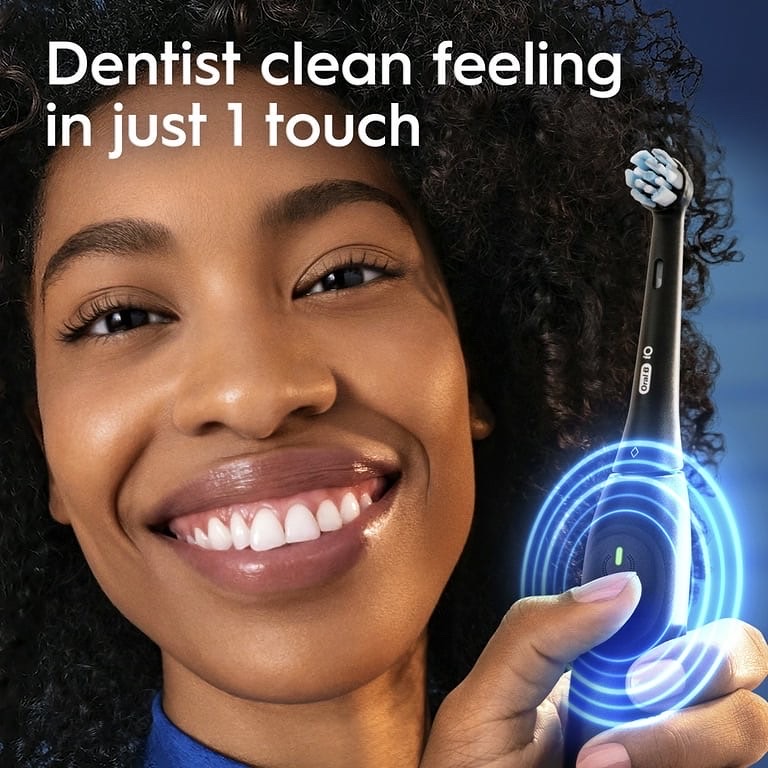
Advantage of using an electric toothbrush

1. Effective and gentle brushing

Brushing too hard is a common problem, it is actually found among 3 of 4 people. Using an electric toothbrush can help with this as it automatically stops if you are brushing too aggressively. This can also help minimize damage to your teeth, whilst ensuring effective cleaning.

2. Easier to follow the 2-minute recommendation

Did you know that dentists recommend brushing your teeth for 2 minutes? This might feel like a long time, but it is worth it to maintain good dental hygiene and healthy teeth. Our electric toothbrush has a built-in timer that makes sure that you brush your teeth for the recommended amount of time.

3. Round toothbrush head

A tooth has 5 sides, this is something we may forget whilst brushing our teeth. Manual toothbrushes require proper brushing technique. On the other hand, electric toothbrushes give you the extra help you need to keep your teeth healthy and clean. This is because electric toothbrushes have a round brush head that is designed to effectively clean between your teeth.

Shopping Cart
Scroll to Top